 cinemasetfree
Four editors in one
Premiere Pro, Final Cut Pro, Avid Media Composer and DaVinci Resolve, each on that app's own keys. Every key is listed, and you can rebind it.
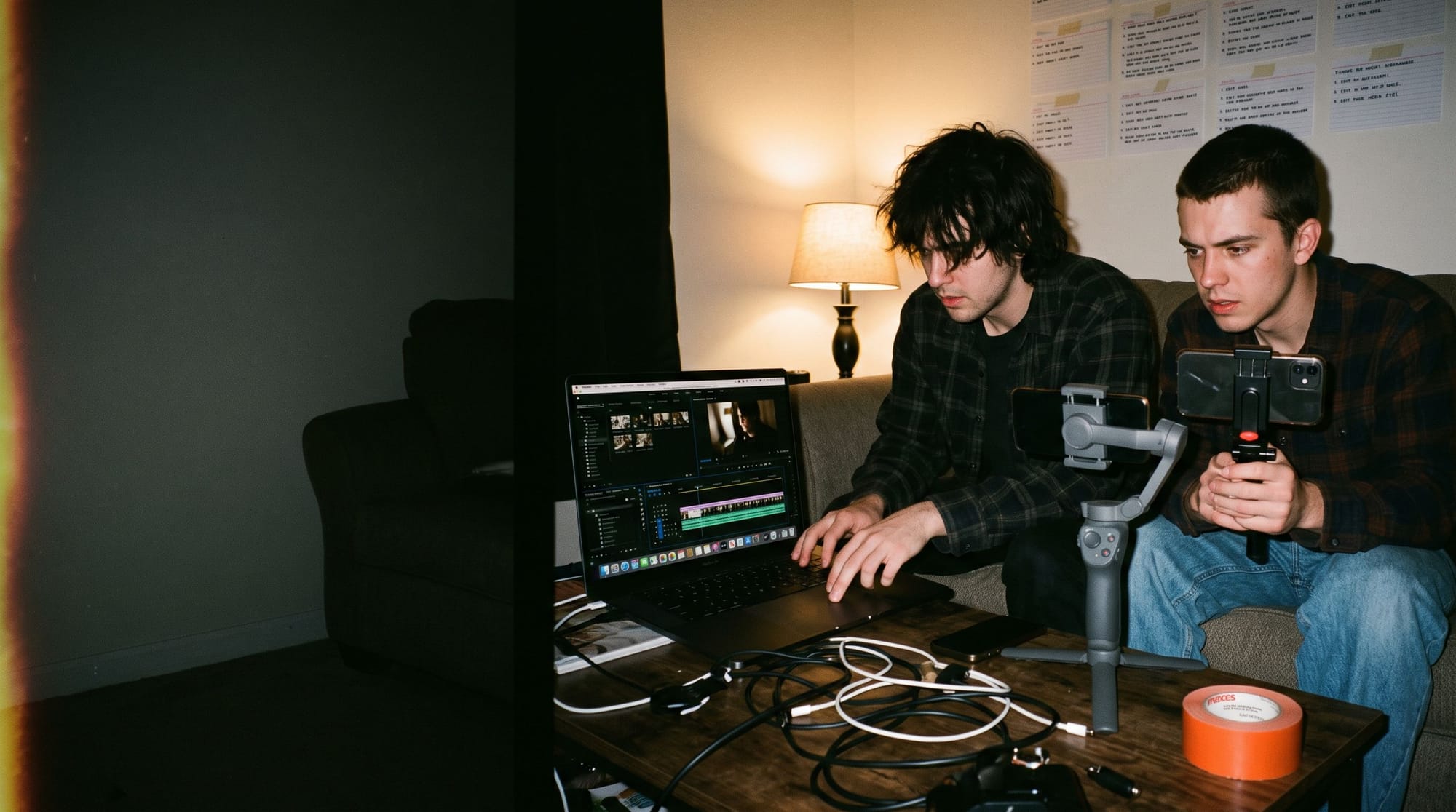

CinemaCutter
Premiere, Final Cut, Avid or Resolve. You pick.
A frame-accurate editor in a browser tab, and a desktop app when you want one. Three-point editing, real timecode, and an export for every suite in post.
Pick Premiere, Final Cut, Avid or Resolve. The shortcuts, the trim behaviour and the drag rules all match the app you picked. Your muscle memory comes with you.
Your choice follows your account to every machine you sign in on.
One pass through the editor, with the claim on the left and the editor making good on it on the right.
Premiere Pro, Final Cut Pro, Avid Media Composer and DaVinci Resolve, each on that app's own keys. Every key is listed, and you can rebind it.
Source and record marks, insert and overwrite, ripple and roll, and a timeline that trims the way yours does.
Footage comes in at its true frame count, rate, rotation, pixel aspect and start timecode. If a file can't be read, the editor names the container and the codec.
Export FCPXML for Final Cut, FCP7 XML for Premiere and Resolve, AAF and ALE for Avid, CMX3600 EDL, and OpenTimelineIO. Anything a format can't carry is named before you send it.
Ask for a cut in words and watch it land on the timeline. Anything the assistant does, you can undo.


Connect your account and the day's takes stream in from the shoot, with sequences saved back. Or stay local and never sign in.
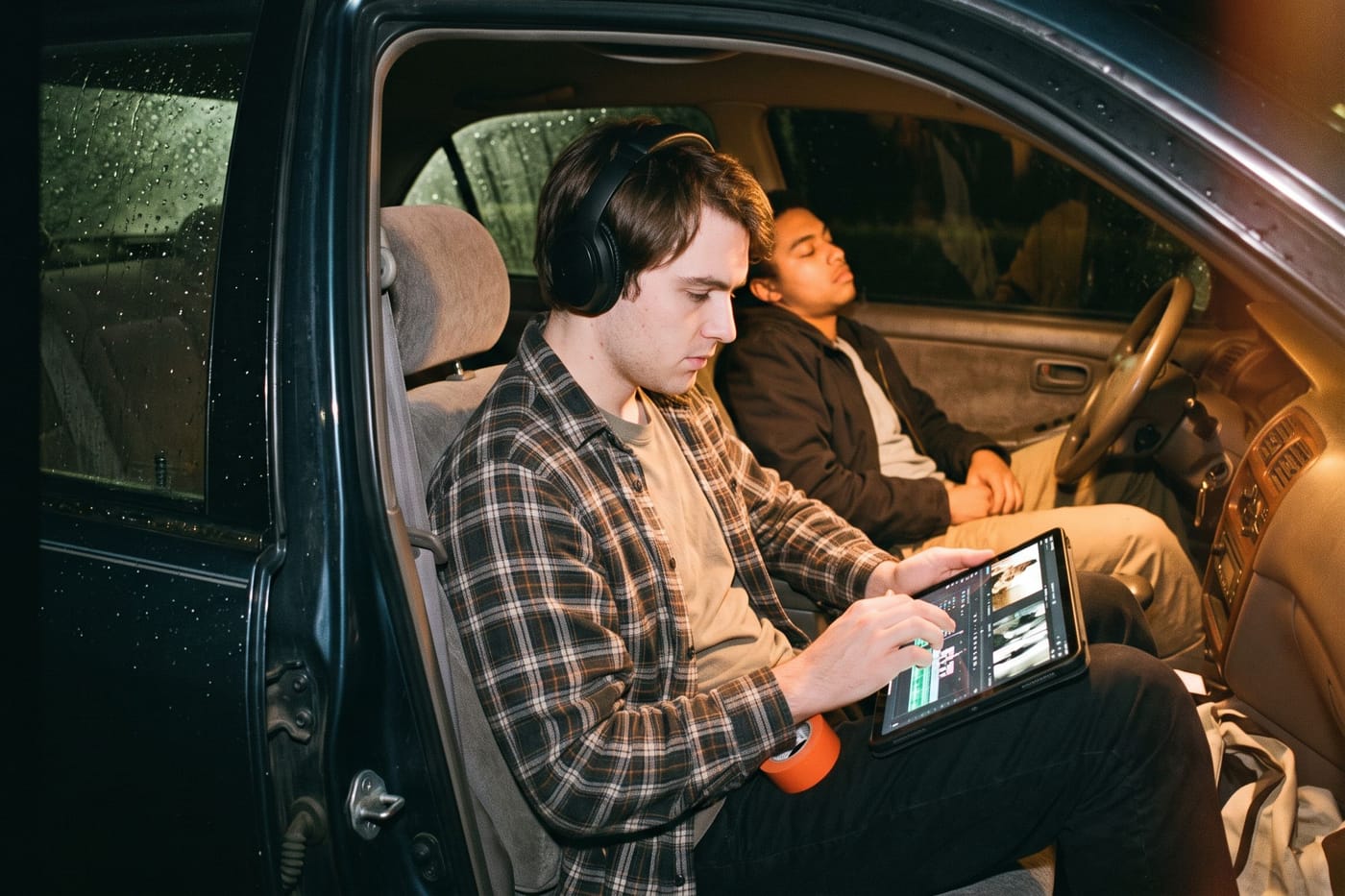
The editor is a browser tab, so the edit suite is a hotel desk, a train seat, or the front of a parked car at two in the morning.
Cut in a tab today. The desktop app adds your whole disk and faster renders.
Browser and desktop open the same project files.
Same editor, same project files, wherever you open it.
| What you can do | Browser | macOS | Windows | Linux |
|---|---|---|---|---|
| Cut on a real timeline | ✓ | ✓ | ✓ | ✓ |
| Use the keyboard of the app you know | ✓ | ✓ | ✓ | ✓ |
| Frame-accurate playback | ✓ | ✓ | ✓ | varies |
| Send the cut to Final Cut, Premiere, Avid or Resolve | ✓ | ✓ | ✓ | ✓ |
| Save an EDL or OpenTimelineIO | ✓ | ✓ | ✓ | ✓ |
| Open the same project file anywhere | ✓ | ✓ | ✓ | ✓ |
| Ask the assistant for a cut | ✓ | ✓ | ✓ | ✓ |
| Pull footage straight off your disk | via a picker | ✓ | ✓ | ✓ |
| Play HEVC footage | if your browser can | ✓ | with Microsoft's HEVC extension | varies |
| Render at full speed | — | ✓ | ✓ | ✓ |
| Work with no account at all | ✓ | ✓ | ✓ | ✓ |
| Cut a production's takes | ✓ | ✓ | ✓ | ✓ |
The Linux app is still being tested.
Not unless you want it to. The editor plays your files off your own machine, and nothing leaves it. Sign in and you can stream takes from a shoot instead.
Drop in a clip and set the keys to the app you already know.